The Commandant’s Shadow
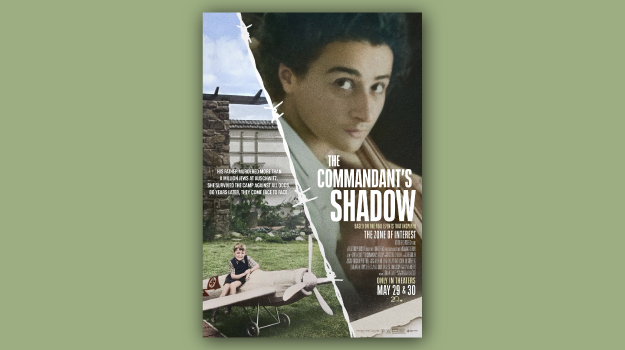
Documentarul „The Commandant’s Shadow” urmărește povestea lui Hans Jürgen Höss, fiul în vârstă de 87 de ani al lui Rudolf Höss, care se confruntă pentru prima dată cu moștenirea cumplită lăsată de tatăl său. Rudolf Höss a fost comandantul lagărului de concentrare și exterminare de la Auschwitz și principalul organizator al uciderii a peste un milion de evrei. Viața lui Höss și a familiei sale a fost recent transpusă într-o poveste ficționalizată în filmul „The Zone of Interest”, recompensat cu Premiul Oscar. Acum, „The Commandant’s Shadow” spune povestea oamenilor reali care au trăit chiar în incinta lagărului morții condus de Höss.
În timp ce Hans Jürgen Höss se bucura de o copilărie fericită în vila familiei de la Auschwitz, Anita Lasker-Wallfisch, o prizonieră evreică, lupta pentru supraviețuire în infamul lagăr de concentrare. În centrul acestui documentar se află un moment istoric și profund emoționant: întâlnirea față în față a celor doi, opt decenii mai târziu. Este pentru prima dată când un descendent al unui important criminal de război întâlnește o supraviețuitoare a Holocaustului într-un cadru atât de personal și intim: sufrageria Anitei din Londra. Alături de copiii lor, Kai Höss și Maya Lasker-Wallfisch, cei patru protagoniști explorează poverile profund diferite pe care le-au moștenit de la generațiile anterioare.
Filmul include fragmente originale din autobiografia multă vreme uitată a lui Rudolf Höss, scrisă cu puțin timp înainte de execuția sa. Cuvintele sale constituie o dovadă incontestabilă a atrocităților petrecute la Auschwitz, consemnate chiar de autorul lor, și reprezintă o mărturie puternică împotriva negării Holocaustului și a ignoranței cu privire la acesta.
Acest documentar de lungmetraj, care surprinde o întâlnire unică în viață, explorează relația dintre o mamă și fiica sa, dintre un tată și fiul său, precum și umbrele îndelungate pe care crimele trecutului le proiectează asupra generațiilor următoare. Filmul ridică întrebări profunde despre iubire, vinovăție și iertare, dar este, înainte de toate, o poveste despre speranță, acceptare și compasiune, de care avem astăzi mai multă nevoie ca oricând.
În urma atrocităților din 7 octombrie și într-o perioadă în care antisemitismul a atins cote nemaivăzute de la Holocaust încoace, „The Commandant’s Shadow” ne reamintește, cu o forță tulburătoare, că nu poate exista reconciliere fără o confruntare sinceră și onestă cu trecutul. Numai astfel putem spera să evităm repetarea istoriei și să construim un viitor mai bun.
“The Commandant’s Shadow” follows Hans Jürgen Höss, the 87-year-old son of Rudolf Höss, as he faces his father’s terrible legacy for the first time. His father was the Camp Commandant of Auschwitz and masterminded the murder of over a million Jews; the life of Höss and his family was recently fictionalized in the Academy Award-winning “The Zone of Interest.” Now, “The Commandant’s Shadow” tells the story of the real people who lived on site at Höss’s death camp.
While Hans Jurgen Höss enjoyed a happy childhood in the family villa at Auschwitz, Jewish prisoner Anita Lasker-Wallfisch was trying to survive the notorious concentration camp. At the heart of this film is the historic and inspiring moment – eight decades later – when the two come face-to-face. This is the first time the descendant of a major war criminal meets a survivor in such a private and intimate setting, Anita’s London living room. Together with their children, Kai Höss and Maya Lasker-Wallfisch, the four protagonists explore their very different hereditary burdens.
The film features original excerpts of Rudolf Höss’ long-forgotten autobiography, written shortly before his execution. His words are the ultimate proof of what really happened at Auschwitz, documented by the perpetrator himself, countering denial and ignorance of the Holocaust.
This once-in-a-lifetime feature-length documentary explores the relationships of a mother and her daughter, a father and his son, and the long shadows cast by the crimes that impact generations. It raises questions about love, guilt, and forgiveness, but is ultimately a much needed story of hope, acceptance, and compassion.
In the wake of the atrocities of October 7th – and at a time when antisemitism has reached a level not seen since the Holocaust – “The Commandant’s Shadow” is a stark reminder that there can be no reconciliation without a true and honest reckoning of the past. Only then can we hope to avoid repeating history and build a better future.